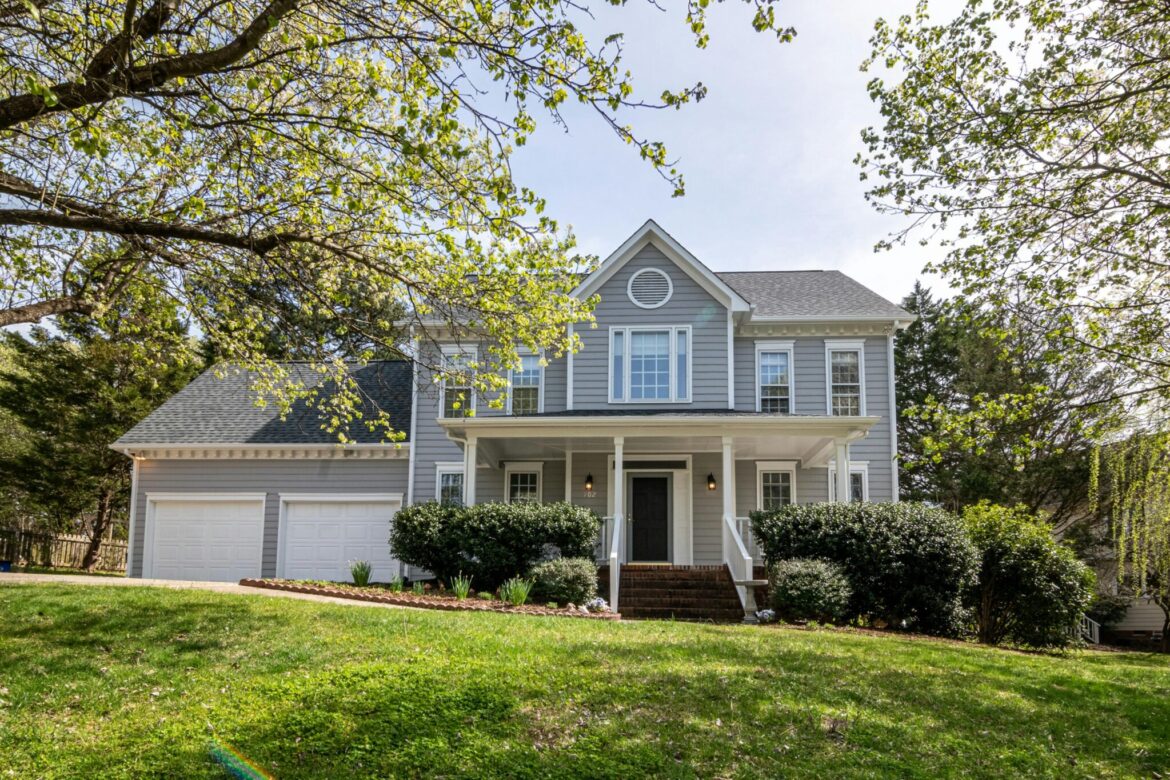
How to Identify an Energy-Efficient Home in Halifax
If you’re searching for a more sustainable lifestyle or simply hoping to save on utility bills, finding an energy-efficient home is a smart place to start. But how do you identify an energy-efficient home in Halifax—especially in a market with a mix of new builds and century-old character homes?
Here are five key features to look for that can help you spot a truly energy-efficient property:
1. Quality Insulation
Proper insulation is one of the most important factors in a home’s energy performance. It helps regulate indoor temperatures, reducing the need for heating in the winter and cooling in the summer.
In Halifax, many older homes weren’t built with modern insulation standards. Some still contain outdated materials like seaweed or, in some cases, no insulation at all. That said, many eco-conscious homeowners have taken steps to upgrade.
What to look for:
- Insulation in the attic or basement
- Documentation of upgraded insulation in exterior walls
- Energy audits or renovation records that confirm insulation improvements
2. Energy-Efficient Windows and Doors
Windows and doors are a major source of heat loss—especially in Halifax’s colder months. Modern, energy-efficient windows and doors help reduce drafts and keep your home comfortable year-round.
Look for features like:
- Double-pane or triple-pane glass
- Low-emissivity (Low-E) window coatings
- Proper seals and weather stripping
- Energy-efficient framing materials
These upgrades not only improve energy efficiency but also increase comfort and reduce noise.
3. High-Efficiency Heating and Cooling Systems
Halifax homes face a wide range of weather conditions, so heating and cooling systems make a big difference in energy use.
Top features to look for include:
- High-efficiency furnaces
- Ductless or ducted heat pumps
- Programmable or smart thermostats
Heat pumps are especially popular in Nova Scotia due to rebates and their ability to both heat and cool efficiently.
4. Energy-Efficient Appliances
Appliances account for a large portion of a home’s energy use. Modern, energy-efficient models can significantly cut electricity consumption.
Look for:
- ENERGY STAR® certification
- Updated refrigerators, dishwashers, washers, dryers, and water heaters
- Appliances that are less than 10 years old
Even small upgrades can lead to noticeable savings over time.
5. Renewable Energy Feature
Although still relatively rare in Halifax, some homes now include renewable energy upgrades—another sign of long-term energy savings.
Watch for:
- Rooftop solar panels
- Solar water heating systems
- Battery storage systems for solar energy
These features signal that a homeowner has invested in a more sustainable and future-forward property to create a more energy-efficient home.
Bonus Tip: Ask About Energy Certifications
When you’re serious about buying an energy-efficient home in Halifax, it’s worth asking whether the home has been evaluated or certified.
Look for labels like:
- EnerGuide – a federal rating system that measures a home’s energy use
- LEED Certification – a third-party green building certification
- Passive Certification – a third-party green building certification
These provide an objective measure of the home’s performance and can help you make a more informed decision.
Final Thoughts
Knowing how to identify an energy-efficient home in Halifax can help you find a property that’s more comfortable, affordable to run, and aligned with your sustainability goals. Whether you’re looking at a classic Halifax home with some modern upgrades or a newly built green home, keep these tips in mind as you shop.
Want help navigating your next home purchase? Reach out—I’m always happy to guide clients through the ins and outs of eco-conscious real estate in HRM. For more tips, follow me on Instagram or Facebook or arrange a personal call HERE. I will answer your questions and help you get started.