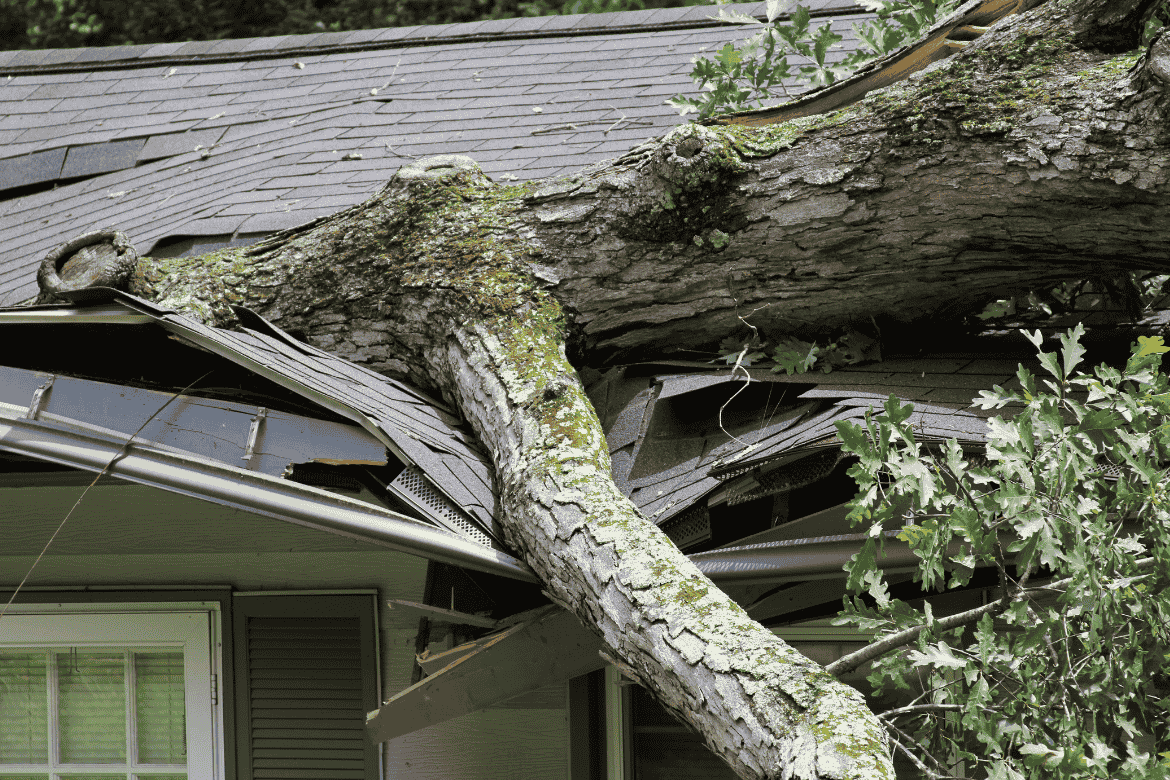
While environmentally resilient homes have been a trend for a few years, it’s becoming a reliable investment that builds equity. Meaning more homeowners are keeping environmental factors in mind when updating or building their homes.
Here in Nova Scotia, we know how quickly the weather changes. We tracked the wind speeds during the wildfires. We’ve seen flooding of whole communities, roads washed out, and power lost to tens of thousands of homes. We have experienced droughts each summer for the past few years.
Environmental resilience in housing means planning ahead for risks like storms, flooding, and power outages. It means ensuring your property can recover quickly with minimal damage.
What Makes a Home Resilient?
Resilient homes don’t rely on luck or prayers. They are intentionally built or upgraded with features that improve durability and preparedness, such as:
- Stronger construction materials.
- Reinforced foundations.
- Weather-ready upgrades like storm-proof windows.
- Metal or upgraded roofing.
- Storm-ready drainage systems.
- Energy-efficient systems that double as resilience tools, like solar panels, battery storage, or geothermal heating.
- Passive design features that keep your home comfortable, even during a power outage.
This kind of preparedness protects your family, your savings and your property as our weather patterns continue to change.
The Risks of Skipping Resilience
Choosing not to invest in environmental resilience may save a few dollars upfront, but it can cost a lot more later. Especially in a climate that is making it increasingly difficult to obtain insurance coverage for major weather events.
Homebuyers securing insurance on a non-resilient home may face steep additional fees and need extended coverage for storm damage. Or they may face higher renewal costs in storm-prone areas. They may also find it difficult to get any coverage in areas where flooding is common, especially when the home has not had any resilience upgrades to show measures have been taken to mitigate issues.
Outside of these more obvious challenges, resilient homes offer:
- Lower repair bills after a storm or flood.
- Higher resale value as buyers become more aware of climate risks.
- Reduced disruption to your life if you’re displaced by damage.
Where the upfront cost of resilient home improvements can often dissuade homeowners from taking the first step, there are risks in waiting until you need to make the changes.
Often, after a major storm with substantial damage, there is a large influx of people seeking assistance from their insurance providers. This influx causes delays in claims and leaves homeowners displaced for long periods. Taking precautions and planning for resilience can reduce damage and help avoid displacement.
The Payoff of Investing in Resilient Homes in Halifax
Many of the improvements you can make to your home’s resilience do pay off when you go to sell your property, but more than that, they provide peace of mind while you’re living in your home.
These improvements can offer:
- Lower long-term costs from reduced repairs and maintenance.
- Improved comfort and safety with reliable power, better air quality, and consistent indoor temperatures.
- Potential grants, rebates, and insurance discounts for resilience and efficiency upgrades.
- And of course, stronger resale value as buyers increasingly look for energy-efficient, disaster-ready properties.
Practical Steps for Halifax Homeowners
If you’re thinking about making your home more resilient, here are a few smart places to start:
Understand your risks.
Check if you’re in a flood zone or storm-prone area. Making decisions on where to start with resiliency upgrades starts with understanding what risks your property faces.
Strengthen the home’s building envelope.
A resilient home is characterized by upgrades that reduce heat transfer, water intrusion, and structural support. Invest in insulation, durable roofing, and proper grading.
Incorporate energy resilience.
Here in Halifax, we see higher power bills and significant outages. Resilient homes often have solar panels, battery storage, passive solar heating or geothermal systems to reduce reliance on the grid.
Plan for emergencies.
If you’ve noticed in past weather events that your yard has been soggy for days after, plan ahead for worse storms. Adding drainage to direct water away from the home is a good way to plan for future events. Installing fail-safes like battery backup sump pumps, and generators makes a big difference.
Work with local experts.
Builders, energy advisors, and REALTORS® with green home expertise can guide the process. I’d be happy to set up a call to discuss which upgrades would benefit your property.
The Future of Resilient Homes in Halifax
As buyers become more educated, resilience is no longer a “nice to have.” It can make the difference between multiple offers or a property sitting on the market. Homes that can promise comfort, safety, and lower costs are increasingly attractive in the Halifax real estate market.
For homeowners, this means two things: you’ll enjoy peace of mind while you live in your home, and you’ll stand out when it’s time to sell.
If you’d like advice on how to market or upgrade your property as a resilient home in Halifax, I’d be happy to help you highlight its true value to buyers.