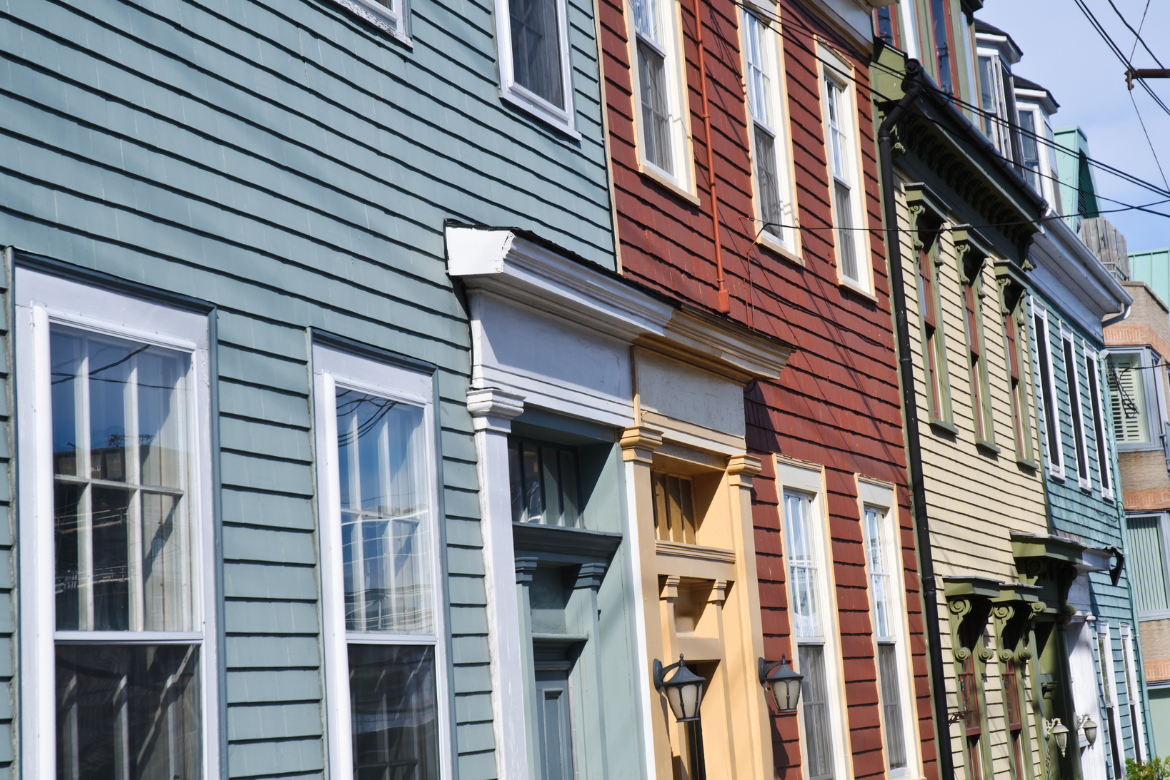
Halifax has an unusually high concentration of century homes, and if you are actively searching for a property here, you will almost certainly come across one within your budget. These homes span a wide range of conditions: some have been meticulously cared for over generations, others have had decades of maintenance deferred, and most fall somewhere between the two.
Century homes are residential properties that are at least 100 years old. In Halifax, that means homes built with old-growth lumber, with plaster walls, hardwood floors, and trim work installed by tradespeople whose primary craft was shipbuilding. The materials are denser and more dimensionally stable than modern equivalents, and in a well-maintained example, they have held up accordingly.
Many of these homes are in the city’s most established neighbourhoods, on streets with mature trees and within walking distance to most of what Halifax has to offer.
Before you make an offer on one, there are some things worth understanding. Century homes and older homes in general come with their own construction history, and in Halifax, that history has local specifics that affect what you are likely to find.
1. Foundation and Structure
When you’re viewing a century home, start from the ground up. Any home should have a solid foundation, whether it’s new or a century old.
Halifax has varied soil types and a lot of bedrock, and century home foundations were built with whatever was available at the time, which might mean stacked stone, brick, block, or some combination of all three.
Have your inspector look carefully for cracks, moisture, and any signs of uneven settling. If repairs have been made, find out when they were done and whether a professional was involved.
A crack in the foundation does not automatically mean disaster, but it does mean you need an inspector who knows the difference between settling and damage that warrants a structural engineer’s assessment.
2. Insulation and Drafts
As a certified green home specialist, I spend time with many clients seeking the most energy-efficient homes available.
A century-old home, by default, is not energy-efficient in the way new buildings are unless it has been updated. Energy efficiency was not a priority when most of these homes were built, with many having little or no insulation in the walls or attic and original single-pane windows.
In Halifax, where winters tend to be long and damp, that combination means cold nights and higher heating bills.
Check the attic insulation, the window condition, and the door seals. If the home has already been retrofitted with better insulation or upgraded windows, that is worth noting in your evaluation.
3. Roof Condition
Halifax weather is hard on roofs, especially in coastal areas. The combination of heavy rainfall, freeze-thaw cycles, and coastal winds creates conditions that accelerate wear, and a roof on a century-old home may have had multiple layers added over the decades rather than being stripped and replaced properly each time.
Ask about the age of the roof and whether the last replacement involved a full tear-off or was layered over existing shingles. Look for missing or curling shingles, and check the attic and upper ceilings for any signs of moisture or staining that might indicate a slow leak.
Flat or low-slope sections are common in older Halifax homes and deserve extra attention because they drain differently and are more vulnerable to pooling water.
A roof replacement is a significant expense, and on a century home with complex rooflines or dormers, the cost can be higher than a standard job. Knowing exactly what you are looking at before you make an offer gives you accurate information to work with.
4. Heating Systems
Many older Halifax homes were once heated with coal or oil, and the systems have been updated in layers over the decades rather than replaced. You might find a recently installed heat pump sitting alongside an oil furnace that was never removed, or electric baseboard heating added without removing the original radiators.
Ask what type of heating the home uses, how old the primary system is, and request utility bills from the previous owner so you have actual numbers to work with. If a heat pump has been installed, find out whether it was sized appropriately for the home and installed by a licensed contractor, because an undersized or improperly installed heat pump will underperform, particularly in a century home that has not been fully air-sealed.
5. Wiring
Older Halifax homes frequently still have knob-and-tube or aluminum wiring, and should be asked about during initial viewings. Many insurers will not cover a home with knob-and-tube wiring, or will charge significantly higher premiums. Aluminum wiring, which was common in homes built between the mid-1960s and mid-1970s, presents its own insurance complications and requires specific fixtures and connections to be safe.
An inspector with experience in older homes is important because they know where to look, understand how these systems were typically modified over time, and know when what they see warrants a follow-up assessment by a licensed electrician.
A Note On Environmental Concerns
Buried oil tanks are common in Halifax’s older housing inventory, and even tanks removed years ago can leave behind soil contamination that affects both insurance coverage and mortgage financing.
Some lenders will not advance funds on a property with a known history of contamination until remediation has been completed and documented, and some insurers will decline coverage entirely.
Ask directly whether the property has any history of buried tanks, oil spills, or remediation work. If there is any uncertainty, an environmental professional can investigate before you commit, and that investigation is considerably less expensive than discovering the problem after closing.
Before You Make an Offer
Century homes in Halifax are worth the attention they require, and most buyers who purchase one do not regret it. What makes the difference is going in uninformed.
The sections above cover the most common areas where older homes require scrutiny, but every property has its own history, and a good inspector will help you understand the specific one you are looking at. If something in the inspection raises a question, ask for a specialist. The cost of a second opinion before closing is a fraction of what surprises cost after it.
If you have questions about buying an older home in Halifax, I am happy to talk through what you are seeing in the market.

Updated: May 2026